For 8 chapatis, mix 250 g of atta with about 160 to 175 ml of lukewarm water and a pinch of salt into a soft dough. Knead for 5 to 8 minutes, rest the dough for 20 to 30 minutes, roll 8 thin rounds and cook them on a hot dry pan or tawa until they puff up. Brush with ghee.
What do you need for chapati?
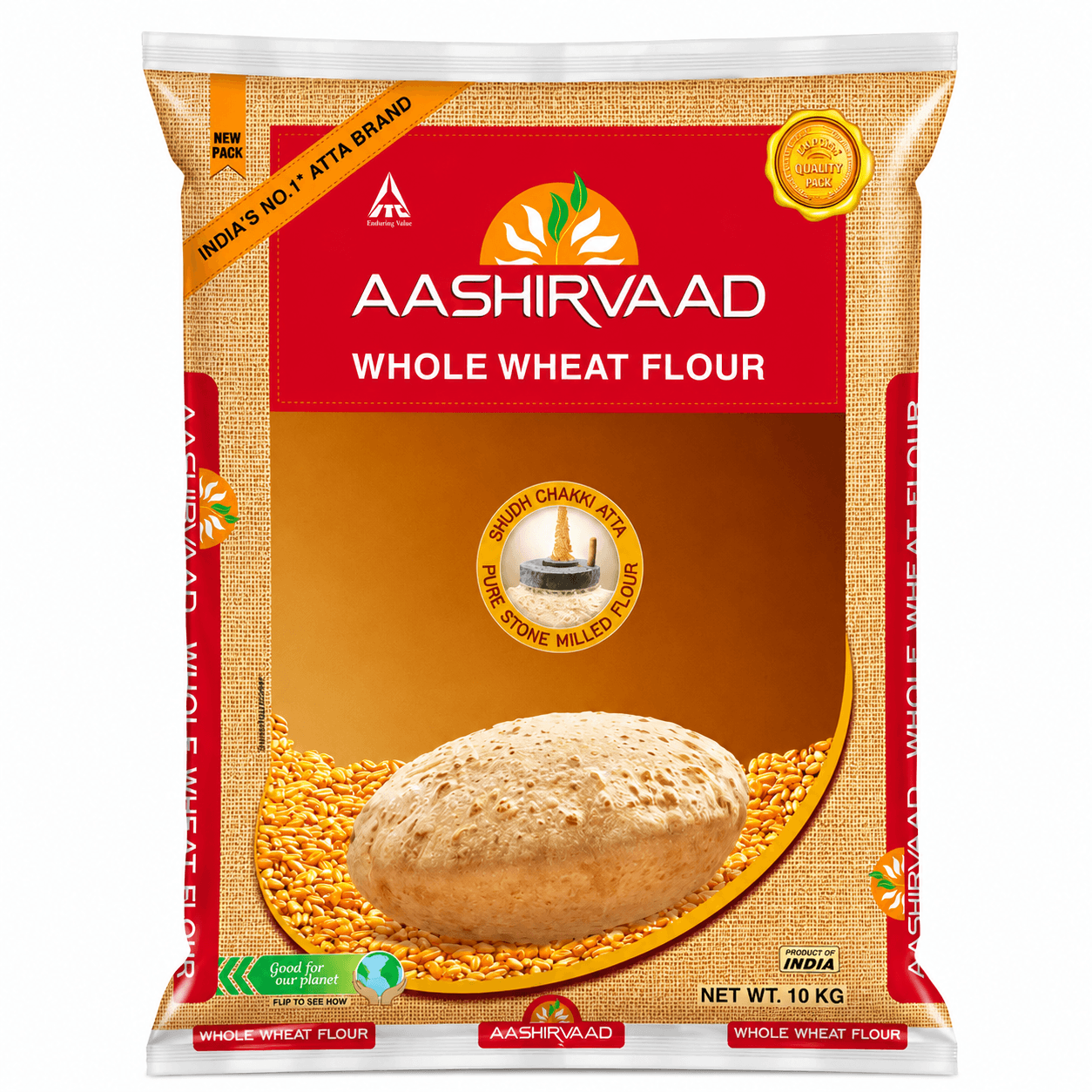
For 8 chapatis you need 250 g of atta, 160 to 175 ml of lukewarm water, a pinch of salt and, optionally, a teaspoon of oil. Keep extra atta for dusting and ghee for brushing.
Atta absorbs a lot of water. Start with 160 ml and add water a tablespoon at a time until the dough is soft. Different brands of atta need slightly different amounts.
How do you make chapati step by step?
Knead, rest, divide, roll and cook: those are the steps. A first attempt takes about 30 minutes including resting time.
- Knead. Mix atta and salt, add the water gradually and knead for 5 to 8 minutes into a smooth, soft dough.
- Rest. Cover and rest for 20 to 30 minutes at room temperature.
- Divide. Divide the dough into 8 balls of about 50 g.
- Roll. Dust with atta and roll each ball into a round of 15 to 18 cm, as even as you can.
- Cook. Place the chapati on a hot, dry tawa or frying pan. Turn after 20 to 30 seconds when small bubbles appear, and cook the second side for 30 to 45 seconds.
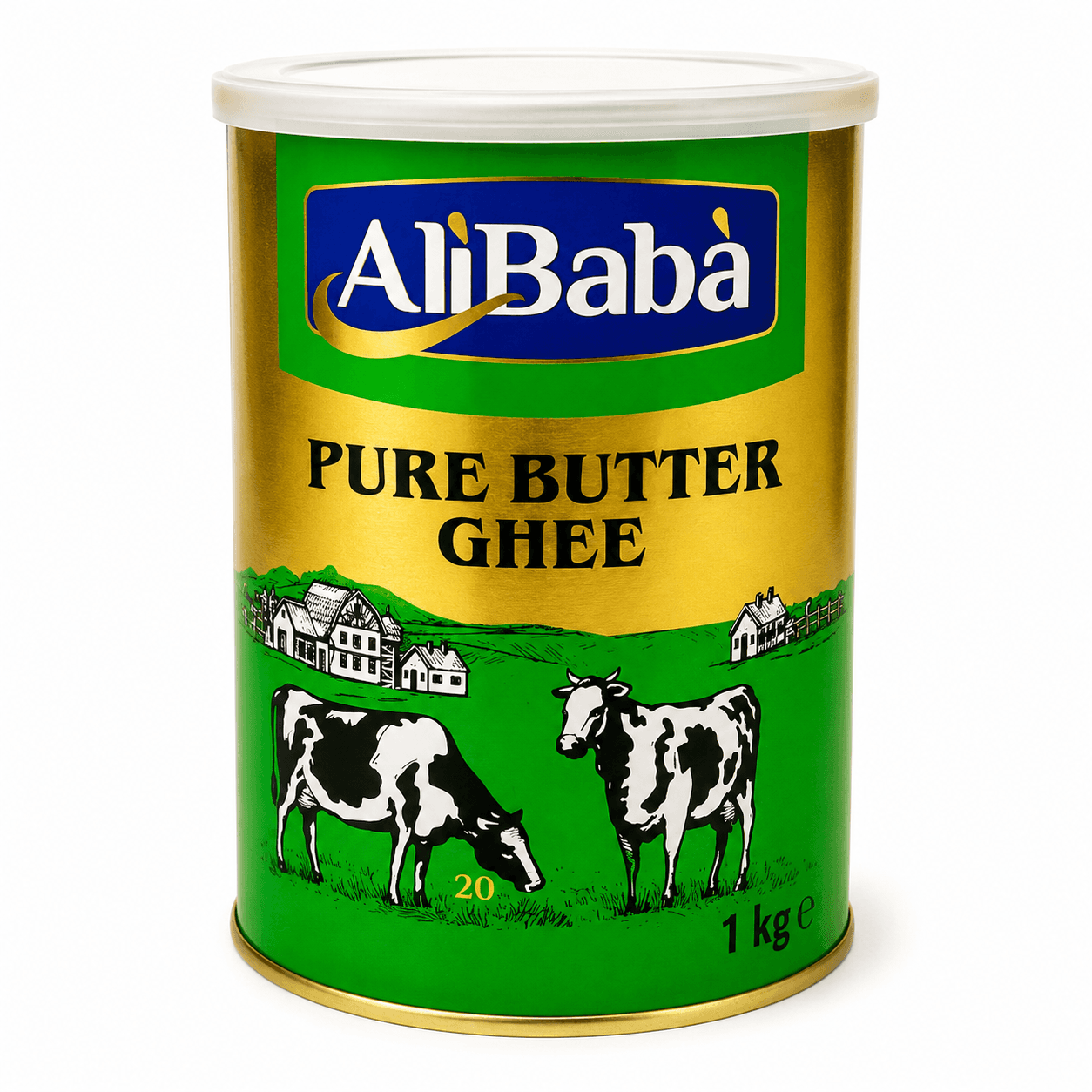
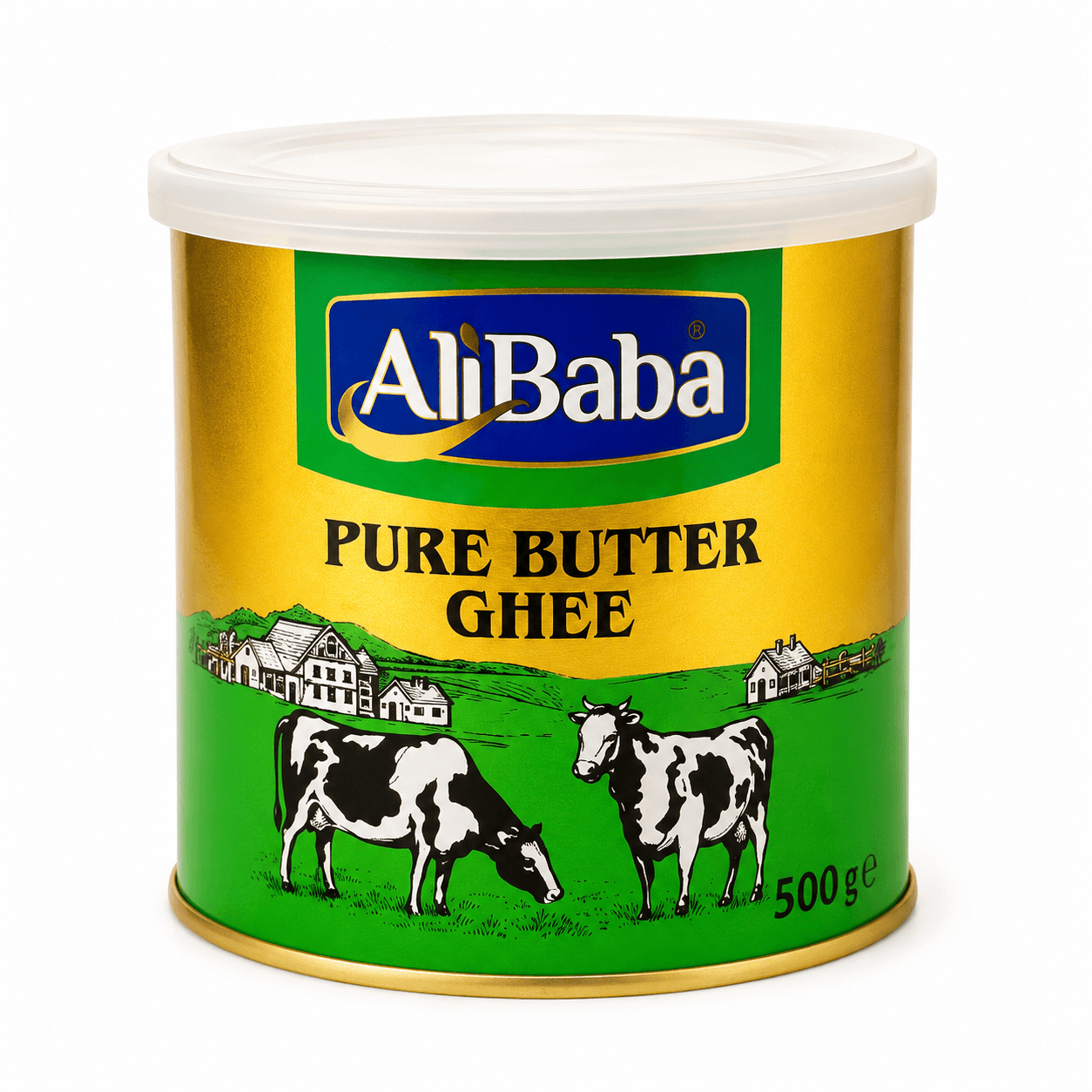
- Puff. Turn once more and press the edges gently with a folded cloth; on gas you can hold it briefly over the flame. Brush with ghee.
Can you make chapati on an induction hob?
Yes. Use a tawa or frying pan that works on induction, such as cast iron or steel. Without an open flame, puff the chapati after the second turn by pressing around the edges with a folded tea towel.
Why are my chapatis hard?
Hard chapatis come from too little water in the dough, too short a rest, rolling too thick, or cooking too long on low heat. Cook briefly on high heat and wrap them straight away in a cloth or closed container.
Can you make chapati with Dutch whole wheat flour?
You can, but the result is drier and firmer, because Dutch volkorenmeel is ground more coarsely and absorbs less water. Sift out the coarsest bran or mix half and half with white flour (tarwebloem) and add a little more water.
The full comparison is in atta vs whole wheat flour.
Products from our shop
View all products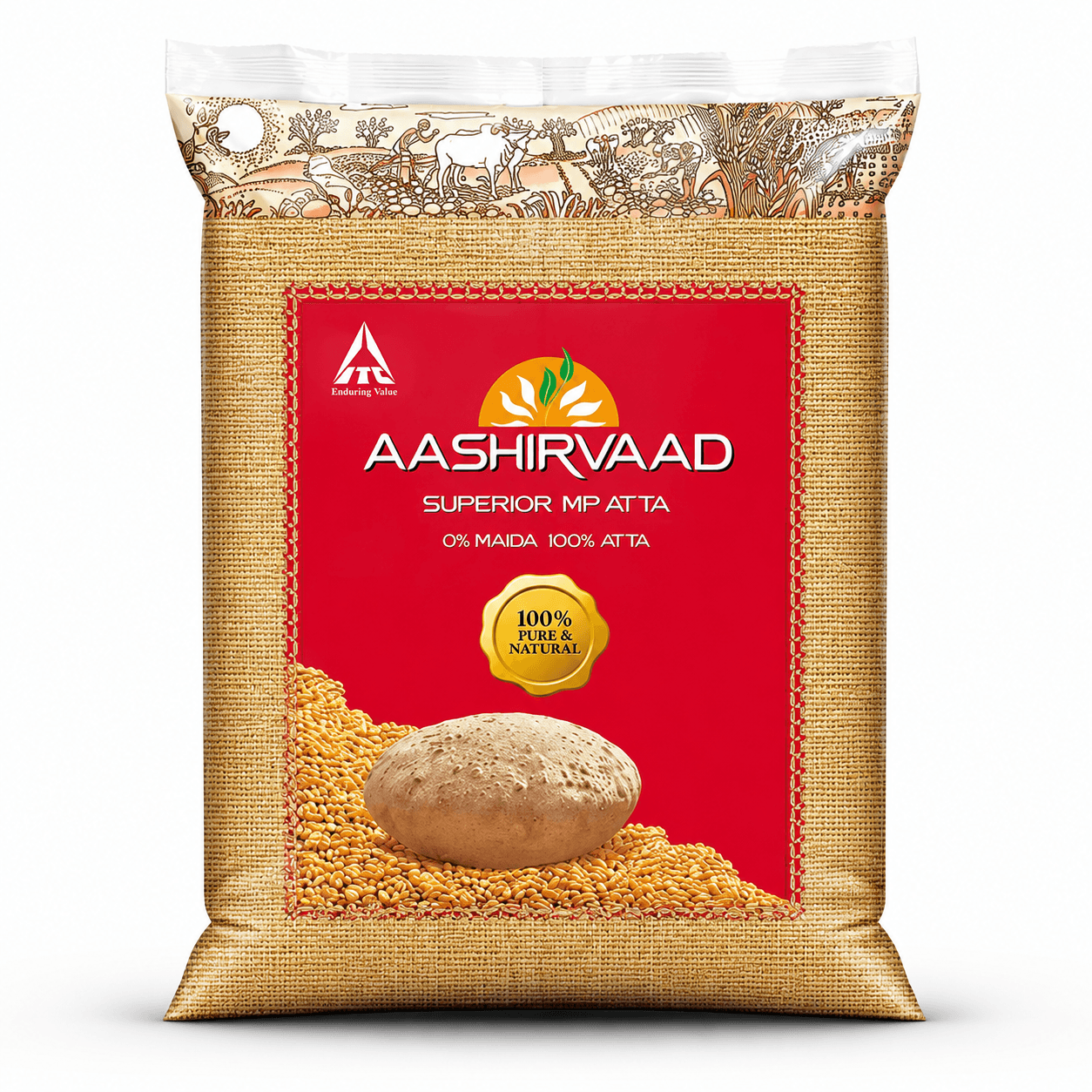
Frequently asked questions
- What is the difference between chapati, roti and paratha?
- Chapati and roti are in practice the same unleavened atta flatbread. A paratha is layered with ghee or stuffed and pan-fried with fat. See chapati.
- Can I store chapati dough?
- Yes, covered in the fridge for one to two days. Let it come to room temperature before rolling.
- How do I keep chapatis soft?
- Brush them with ghee and stack them straight away in a clean cloth or closed container so the steam keeps them soft.