Dal is the Indian word for dried pulses and for the dish made from them. The five best known are masoor dal (red lentils, the quickest), moong dal (light and easy to digest), toor dal (the classic yellow dal), chana dal (firm and nutty) and urad dal (for dal makhani, idli and dosa). Split dal cooks far faster than whole beans.
What types of dal are there?
The table lists the most used types with their Dutch names. Cooking times are for an ordinary pan and are a guide: the age of the pulses and the hardness of your water make a big difference.
| Dal | Dutch name | Soak | Cooking time | Typical dishes |
|---|---|---|---|---|
| Masoor dal | Gespleten rode linzen | Not needed | 15 to 20 min | Masoor dal tadka, soup |
| Moong dal (yellow) | Gespleten, gepelde mungbonen | Not needed | 20 to 30 min | Khichdi, moong dal tadka |
| Moong chilka | Split mung beans with skin | Optional 1 hour | 25 to 35 min | Dal, cheela |
| Toor dal | Gespleten duivenerwten | Optional 30 min | 30 to 45 min | Sambar, dal fry |
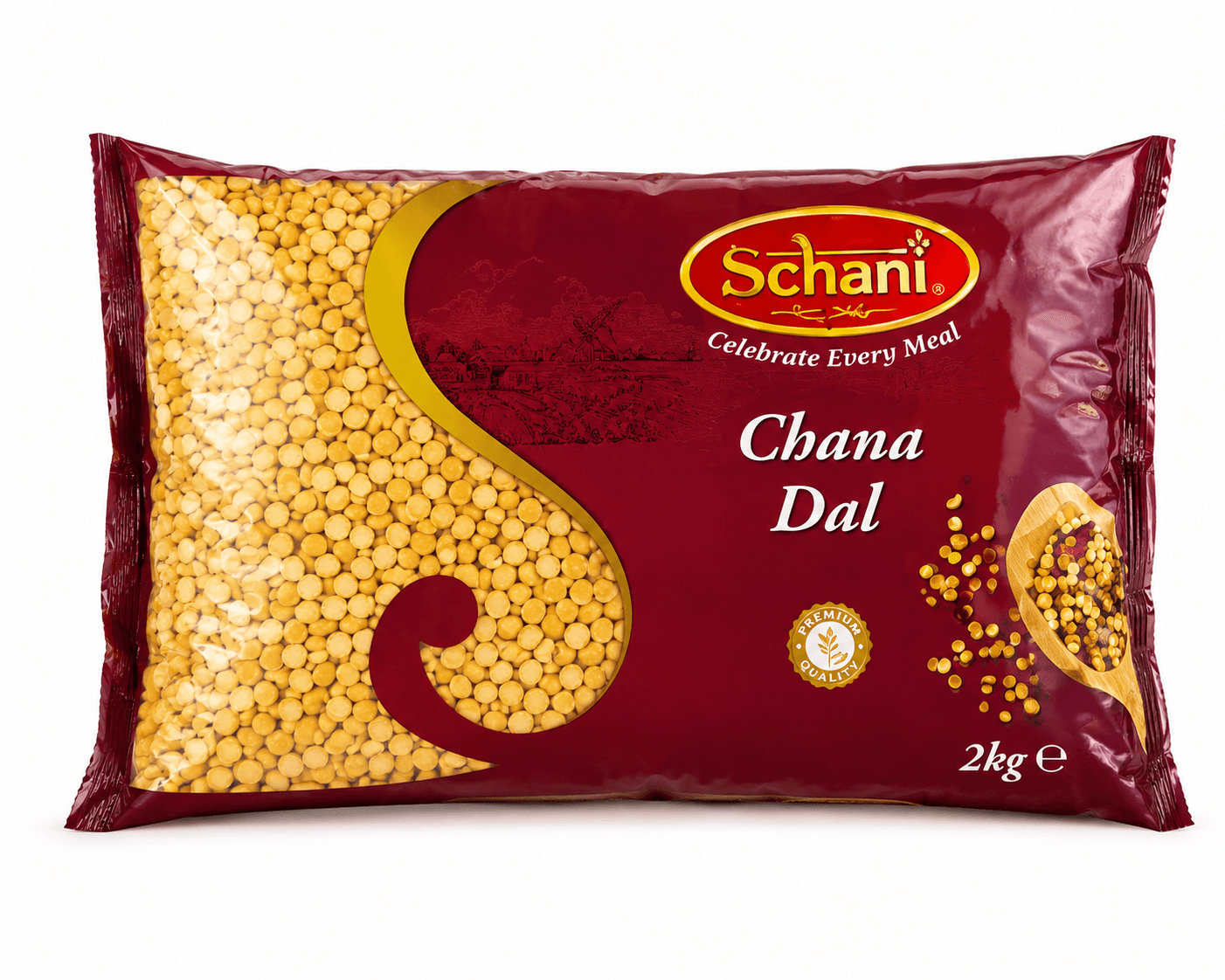
| Chana dal | Split desi chickpeas | 1 to 2 hours | 40 to 60 min | Chana dal, fillings |
| Urad dal (white) | Husked urad beans | 30 min (4 to 6 hours for batter) | 30 to 40 min | Idli, dosa, vada |
| Whole urad (black) | Whole urad beans | Overnight | 60 to 90 min | Dal makhani |
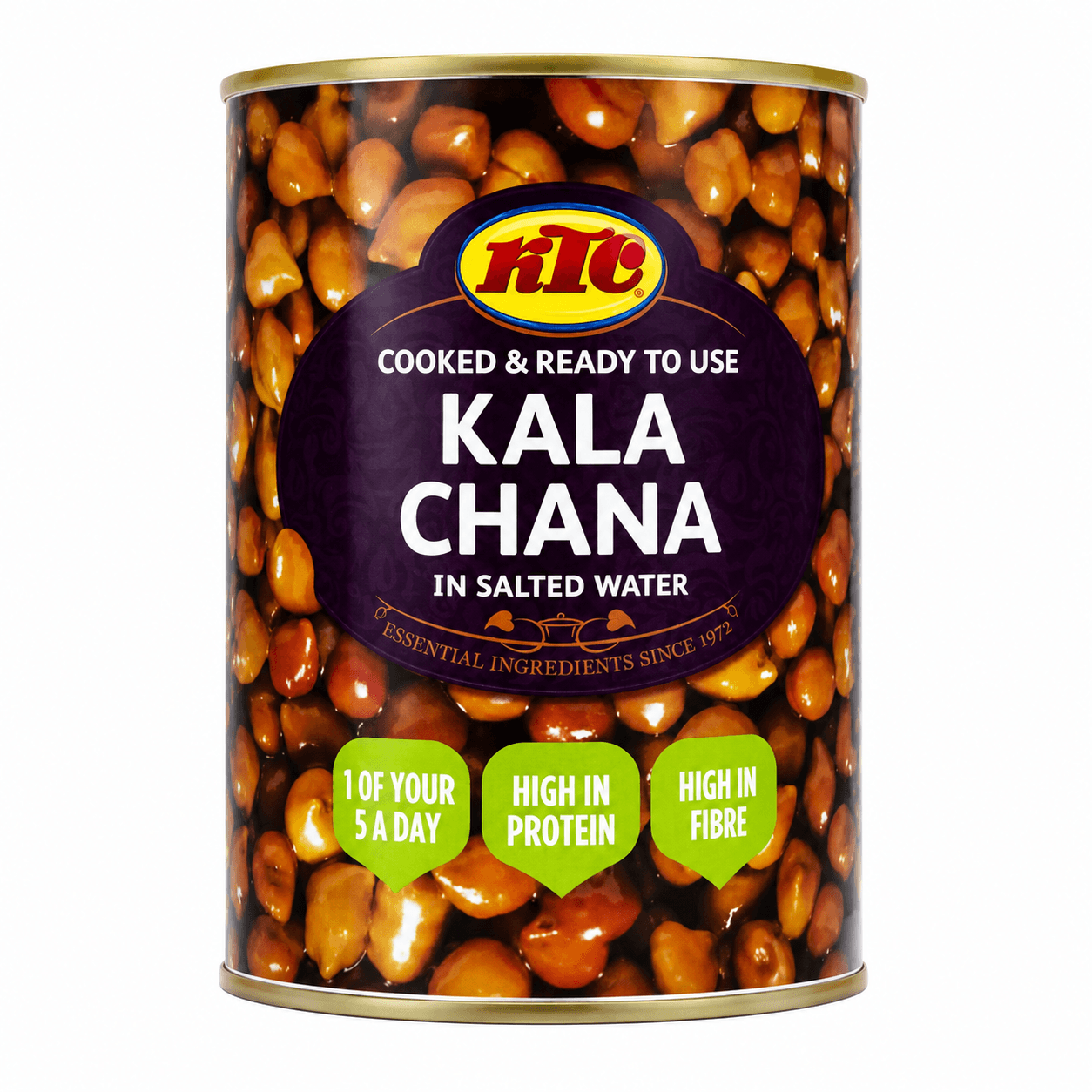
| Kala chana | Brown chickpeas | Overnight | 60 to 90 min | Kala chana curry |
| Kabuli chana | Chickpeas | Overnight | 60 to 90 min | Chana masala |
Which dal cooks the fastest?
Masoor dal is the fastest: split red lentils need no soaking and turn soft in 15 to 20 minutes. Yellow moong dal follows at 20 to 30 minutes. Both suit a weeknight dinner.
What is the difference between split and whole dal?
Split dal is the pulse halved, often with the husk removed, so it cooks faster and turns creamy. Whole pulses keep their shape, have more bite and need soaking.
For example: yellow moong dal is split and husked, moong chilka is split with the skin on, and whole moong is the green mung bean. All three come from the same plant but suit different dishes.
How do you cook dried beans safely?
Dried beans naturally contain lectins that are only made harmless by soaking and then boiling thoroughly. The Finnish Food Authority advises soaking all dried beans for at least 12 hours, rinsing, and boiling for at least half an hour.
Discard the soaking water and boil in fresh water. Do not cook raw beans only at low temperature, such as in a slow cooker. This applies to whole beans such as black-eyed beans, adzuki and white beans; split lentils are less critical.
Can you cook dal in a pressure cooker?
Yes, in India the pressure cooker is the standard way to cook dal and it cuts the time to a fraction. Follow your cooker's manual for water and timing, because models differ.
Which dal should you choose for which dish?
Choose by texture. For a creamy, smooth dal use masoor, moong or toor dal. For pieces with bite use chana dal or whole pulses. For batter (idli, dosa) you need husked urad dal.
Pulses are also a good plant protein source. Read more in pulses as plant-based protein.
Products from our shop
View all products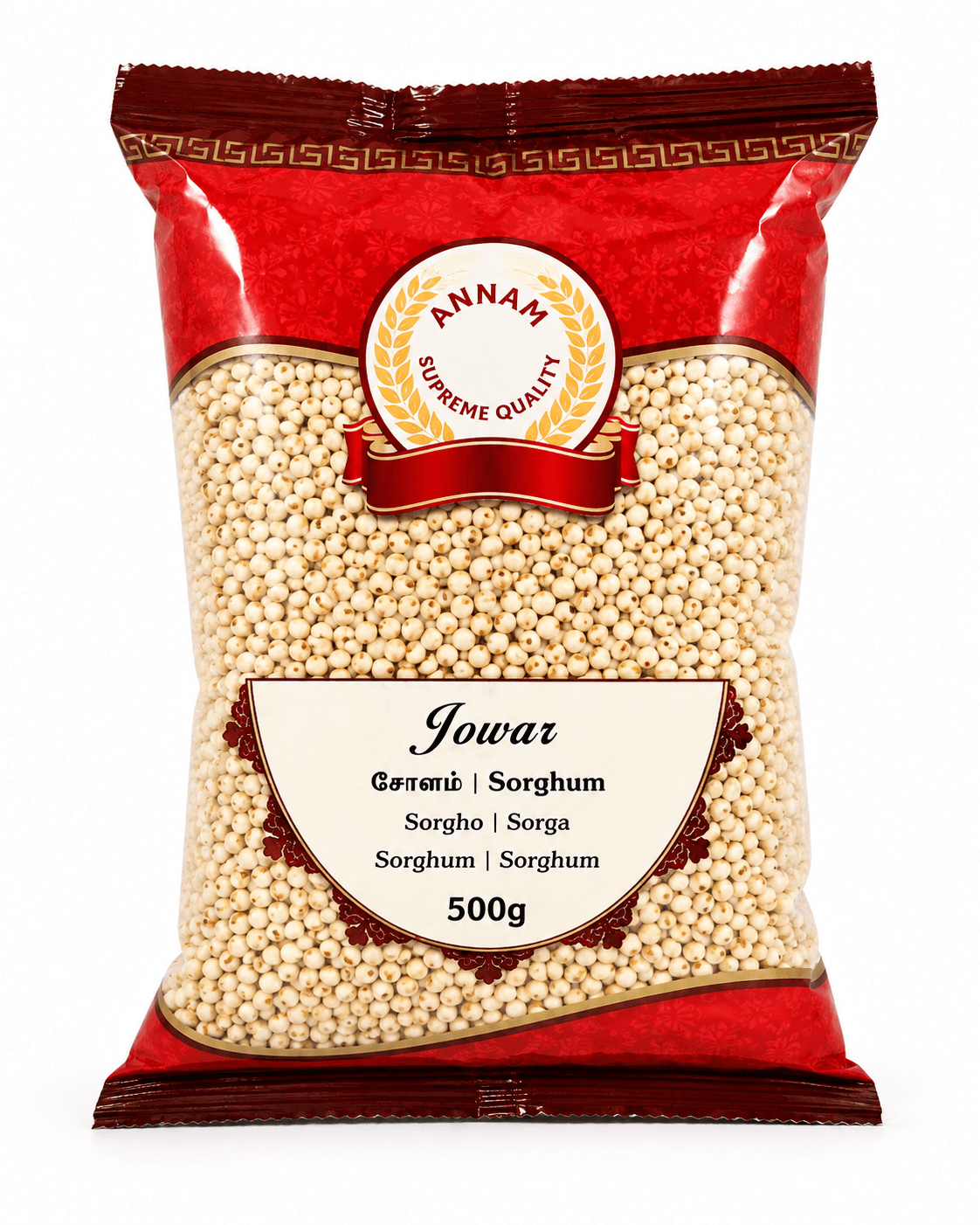
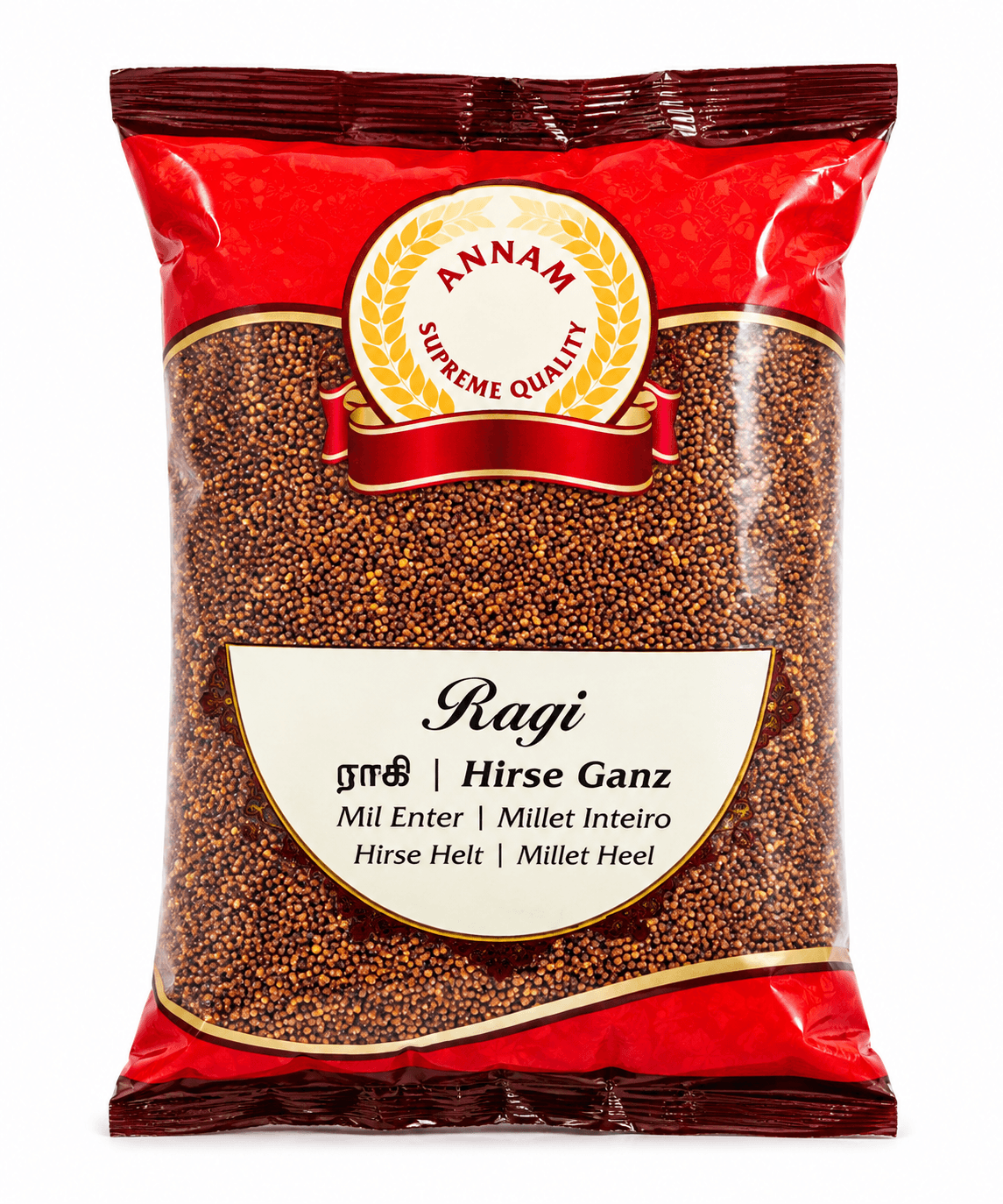
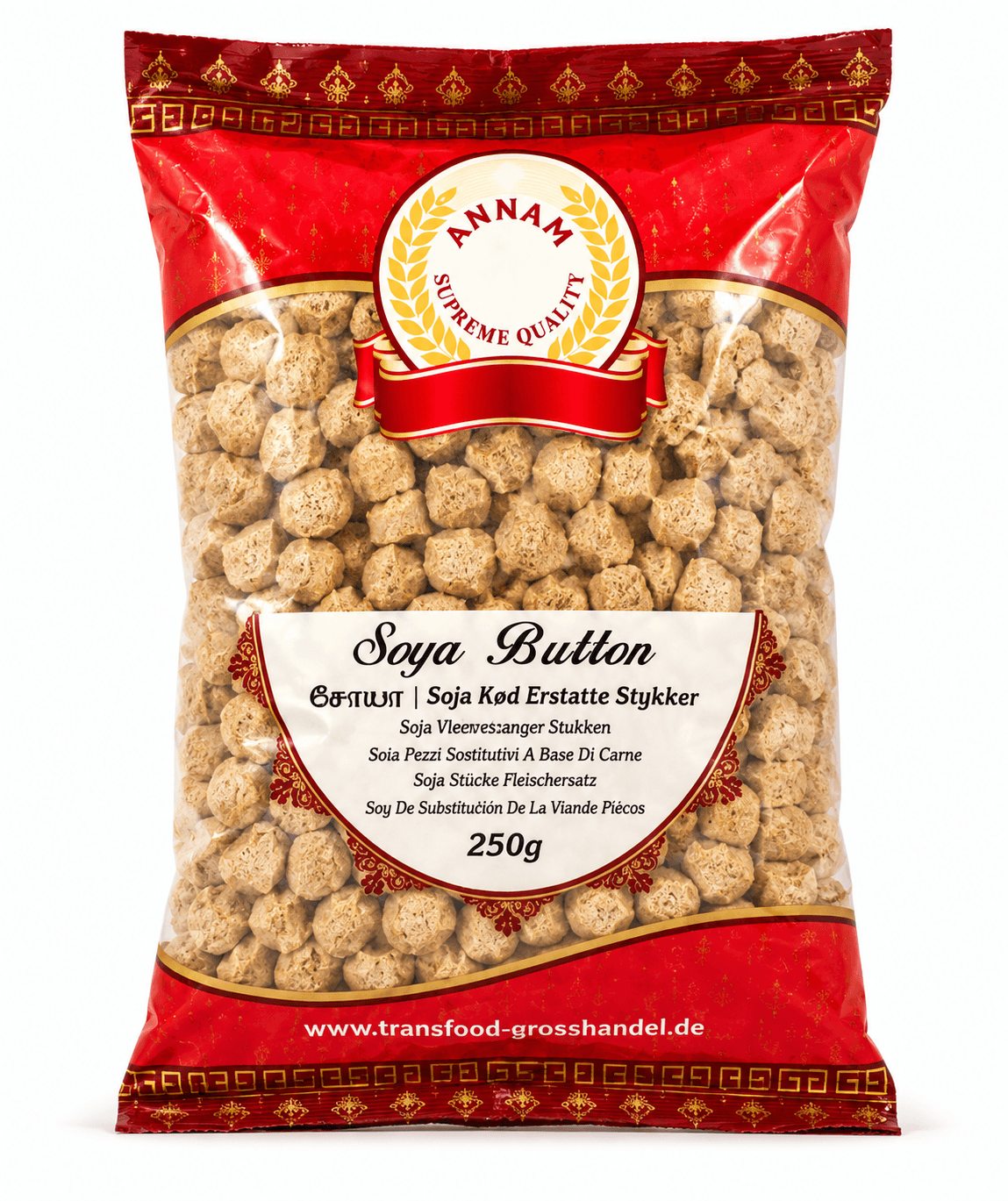
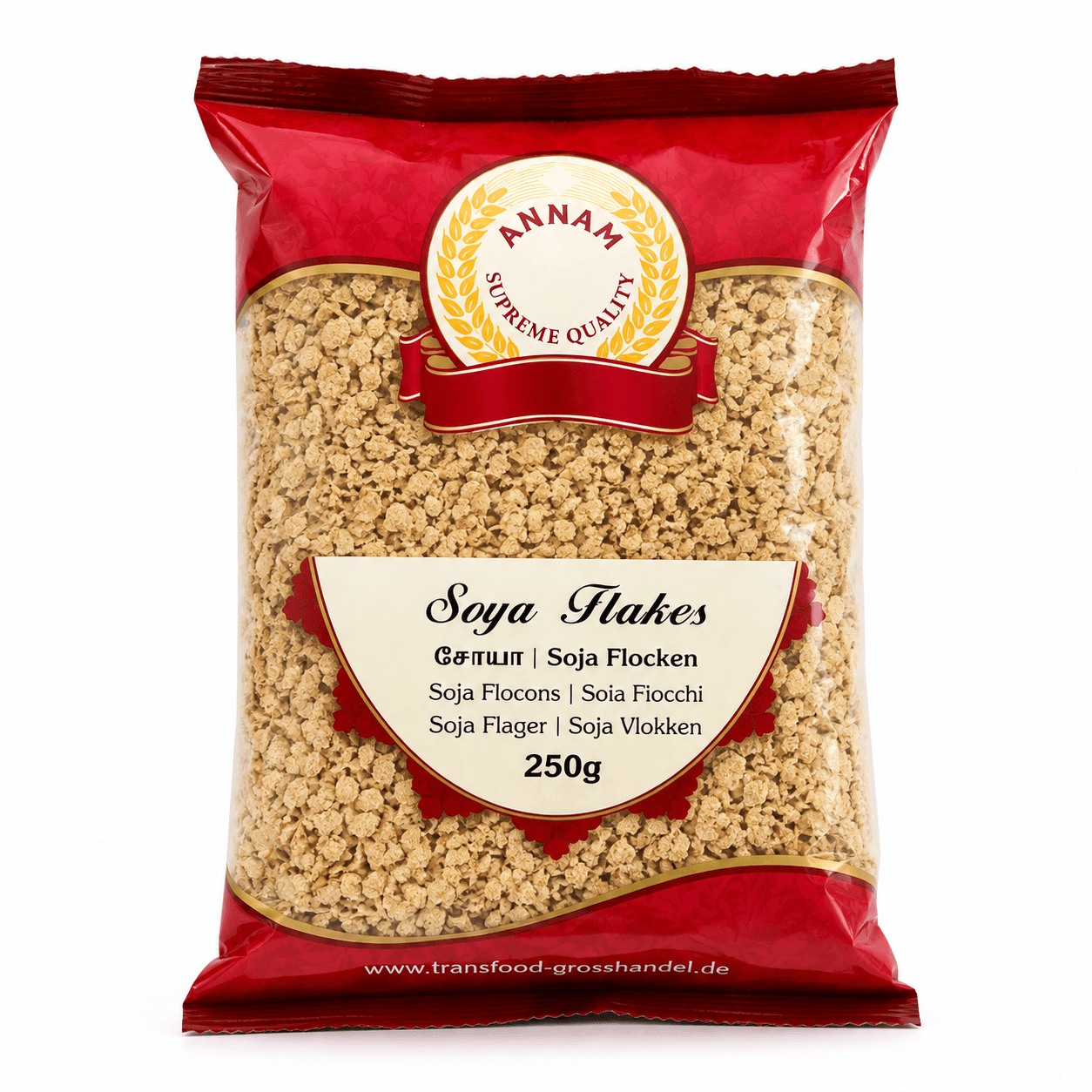
Frequently asked questions
- Should I wash dal before cooking?
- Yes. Rinse dal in a sieve or bowl of cold water until the water runs almost clear. This removes dust and loose husks.
- Why won't my dal soften?
- Usually the dal is old, the water is very hard, or salt or something acidic (tomato, tamarind) went in too early. Add acidic ingredients once the dal is soft.
- How much dal per person?
- Allow about 50 to 75 g of dry dal per person as a side with rice or chapati.
- Is chana dal the same as chickpeas?
- Almost. Chana dal is split, husked desi chickpea, a smaller and darker variety. The large pale chickpea is called kabuli chana.