Dried lentils, mung beans, urad beans and chickpeas contain about 19 to 25 g of protein per 100 g of dry product, plus plenty of fibre. The Health Council of the Netherlands advises eating pulses every week in its 2015 dietary guidelines. Indian cooking has dozens of dishes for them, from dal to chana masala.
What do Dutch dietary guidelines say about pulses?
The Health Council of the Netherlands (Gezondheidsraad) advises eating pulses every week in its 2015 dietary guidelines, as part of a more plant-based diet. Pulses are beans, lentils, peas and chickpeas, exactly the basis of Indian dal.
How much protein is in dal?
Dried dal and beans contain about 19 to 25 g of protein per 100 g of dry product. Dal absorbs a lot of water when cooked, so 100 g of cooked dal holds roughly a third of that.
| Pulse | Protein per 100 g dry |
|---|---|
| Red lentils (masoor dal) | About 24 g |
| Mung beans (moong dal) | About 24 g |
| Urad beans (urad dal) | About 25 g |
| Pigeon peas (toor dal) | About 21 g |
| Chickpeas | About 19 g |
Why eat dal with rice or chapati?
Pulses and grains complement each other. Pulses are rich in the amino acid lysine and grains in methionine; together they provide a more complete protein. Dal with rice (dal chawal), khichdi and dal with chapati are classic examples.
What are soya chunks and how do you use them?
Soya chunks are dried pieces of defatted soy flour and one of the most protein-rich plant foods in Indian cooking. Soak them in hot water for 10 to 15 minutes, squeeze them out and use them in a curry or pulao. See soya chunks.
How do you get more iron from pulses?
Pulses contain plant iron, which your body absorbs better with something rich in vitamin C, such as tomato, lemon juice or pepper. A squeeze of lemon over your dal helps.
Which pulses should you start with?
Start with masoor dal and yellow moong dal: no soaking needed and ready in 15 to 30 minutes. Soak whole beans and chickpeas overnight. A full overview is in types of dal explained.
Products from our shop
View all products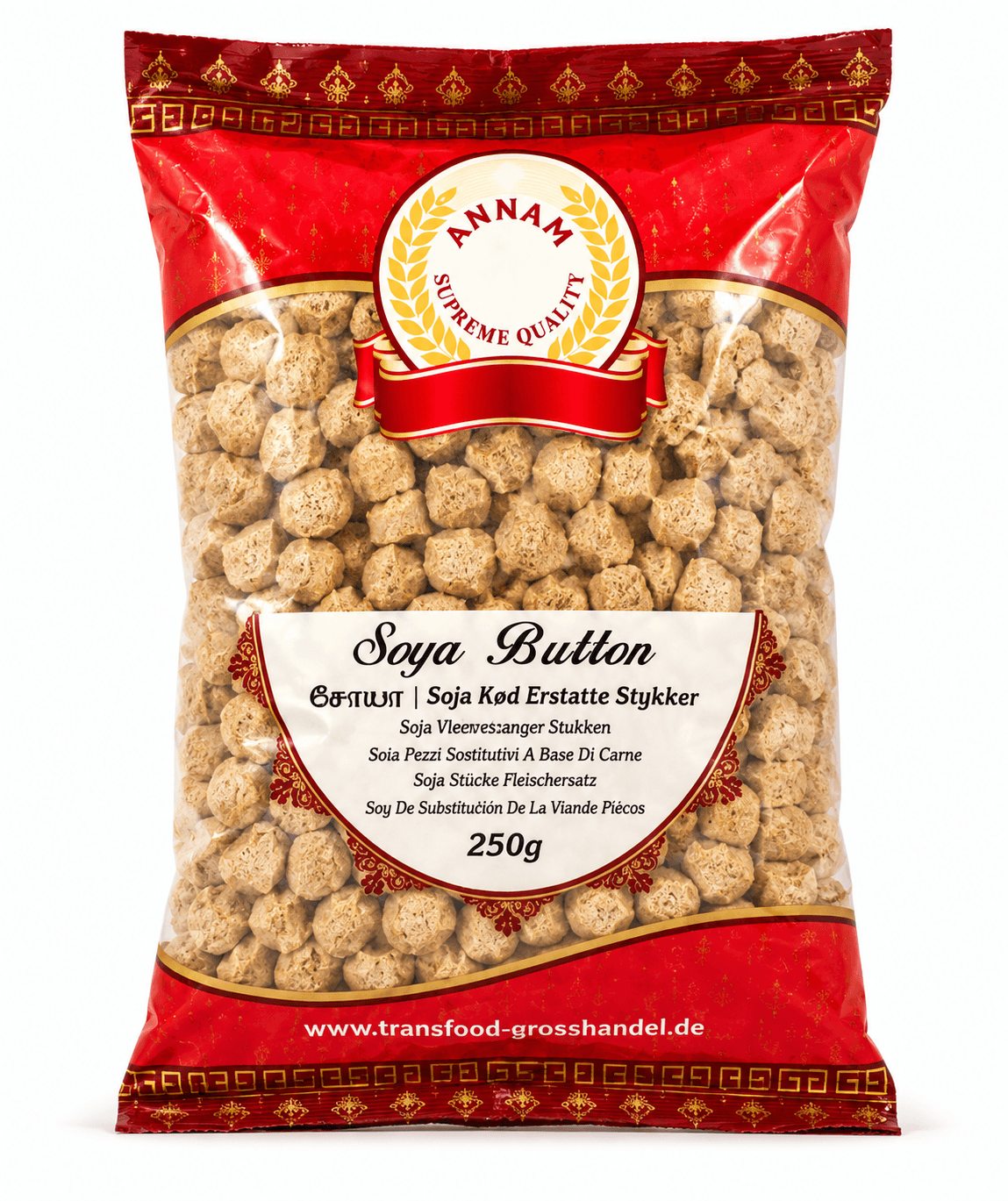 ANNAM SOYA BUTTON 250GR€2.25In stock
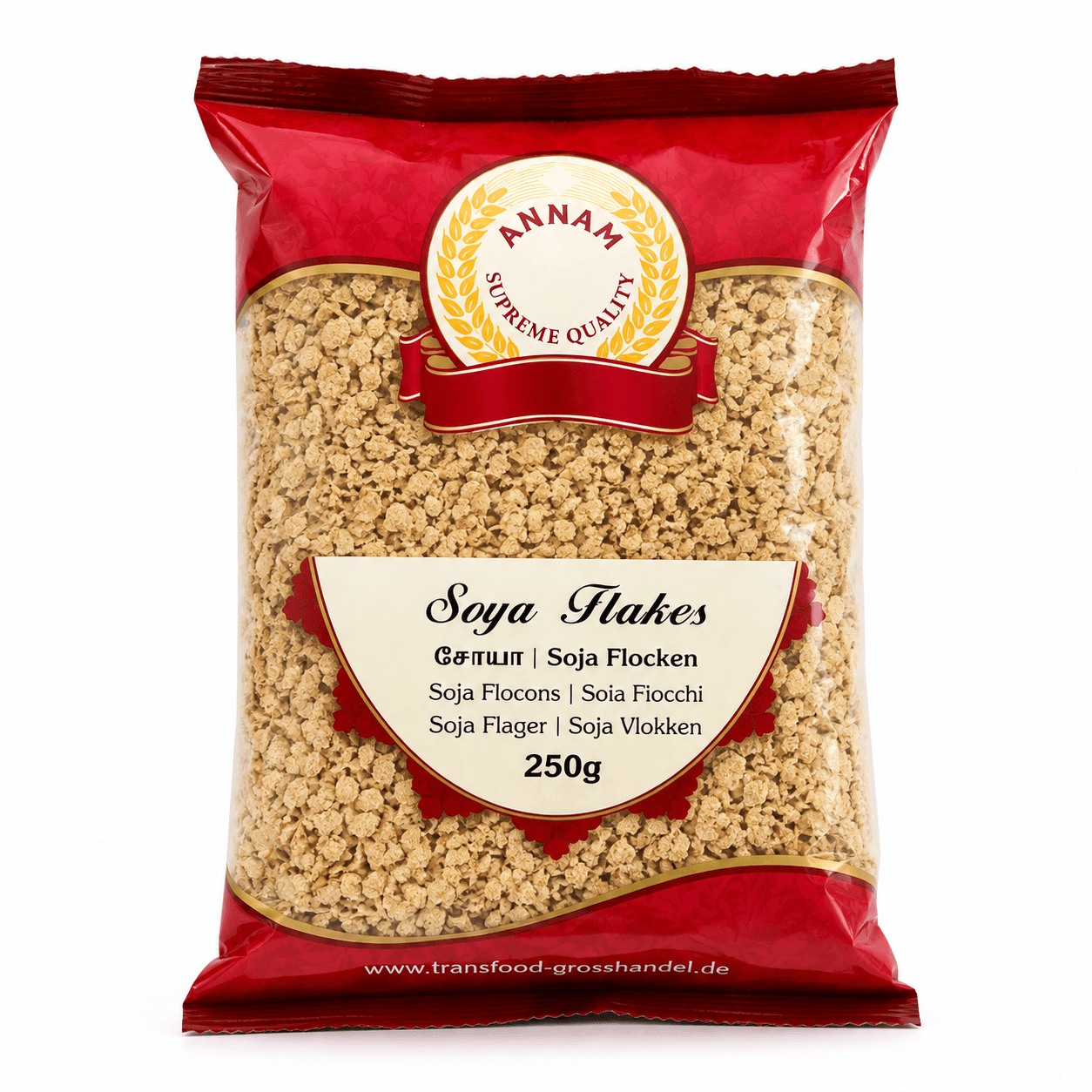 Annam Soya Flakes 250gr€1.95In stock
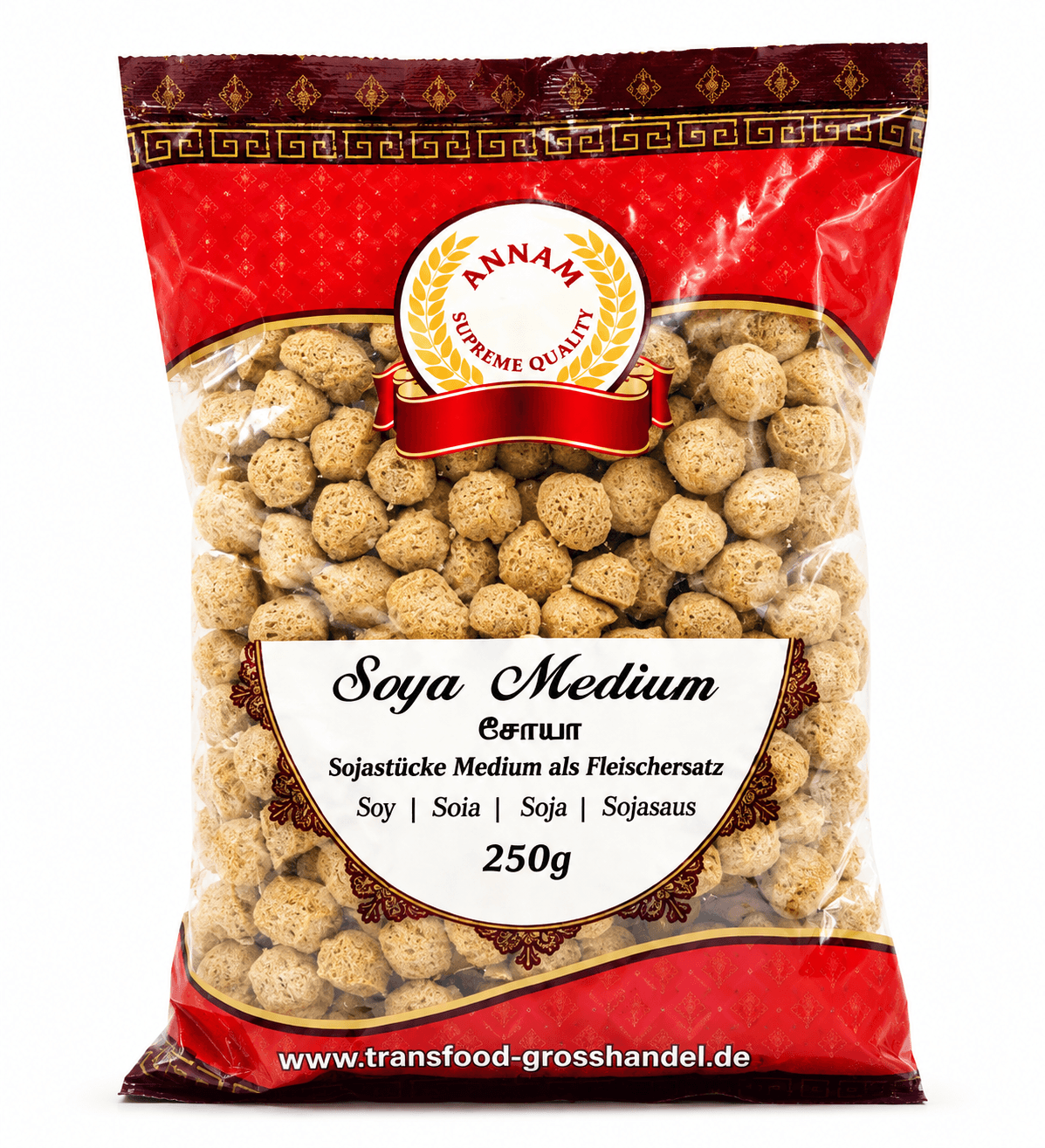 ANNAM SOYA MEDIUM 250GR€2.45In stock
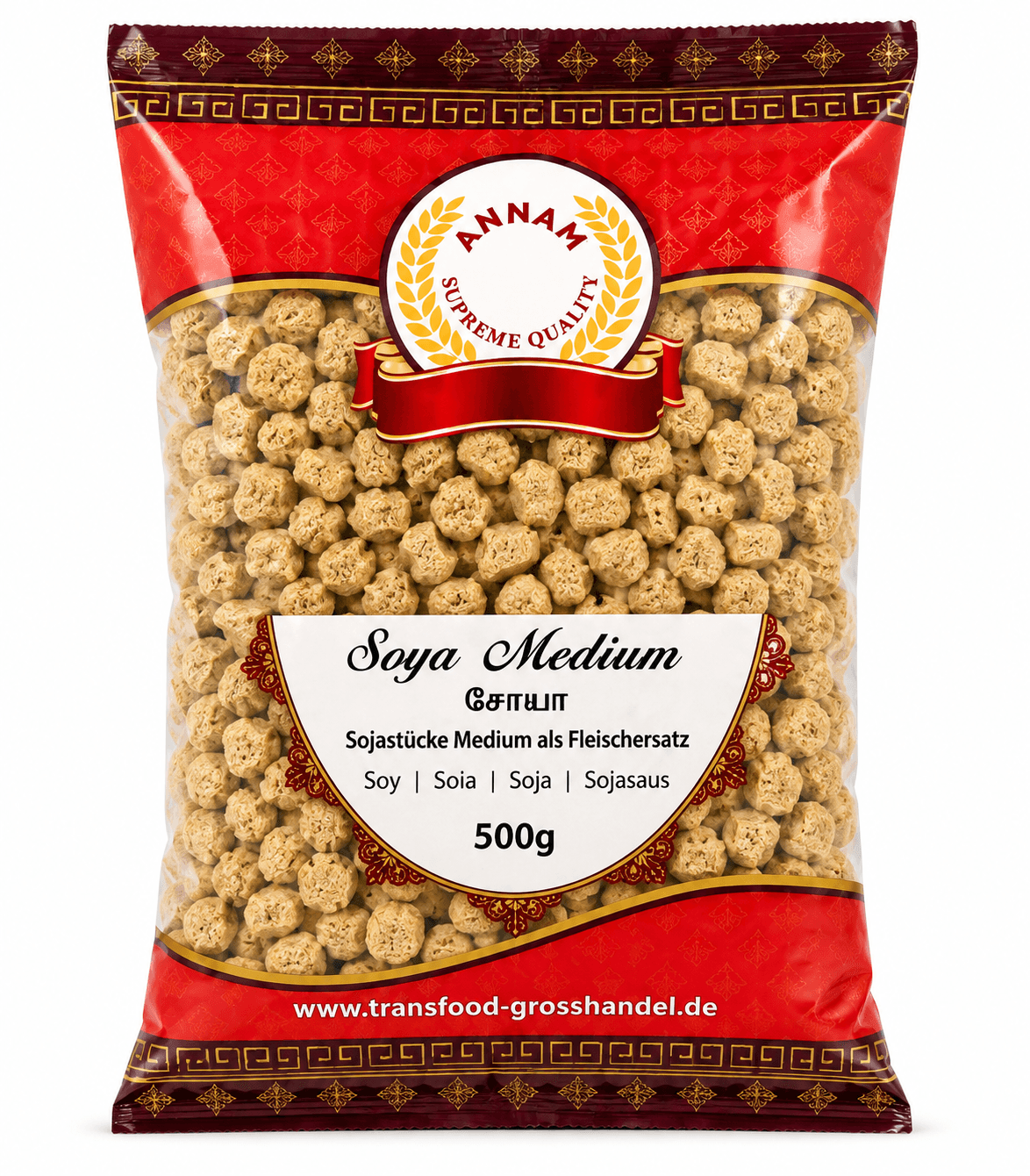 ANNAM SOYA MEDIUM 500GR€3.99In stock
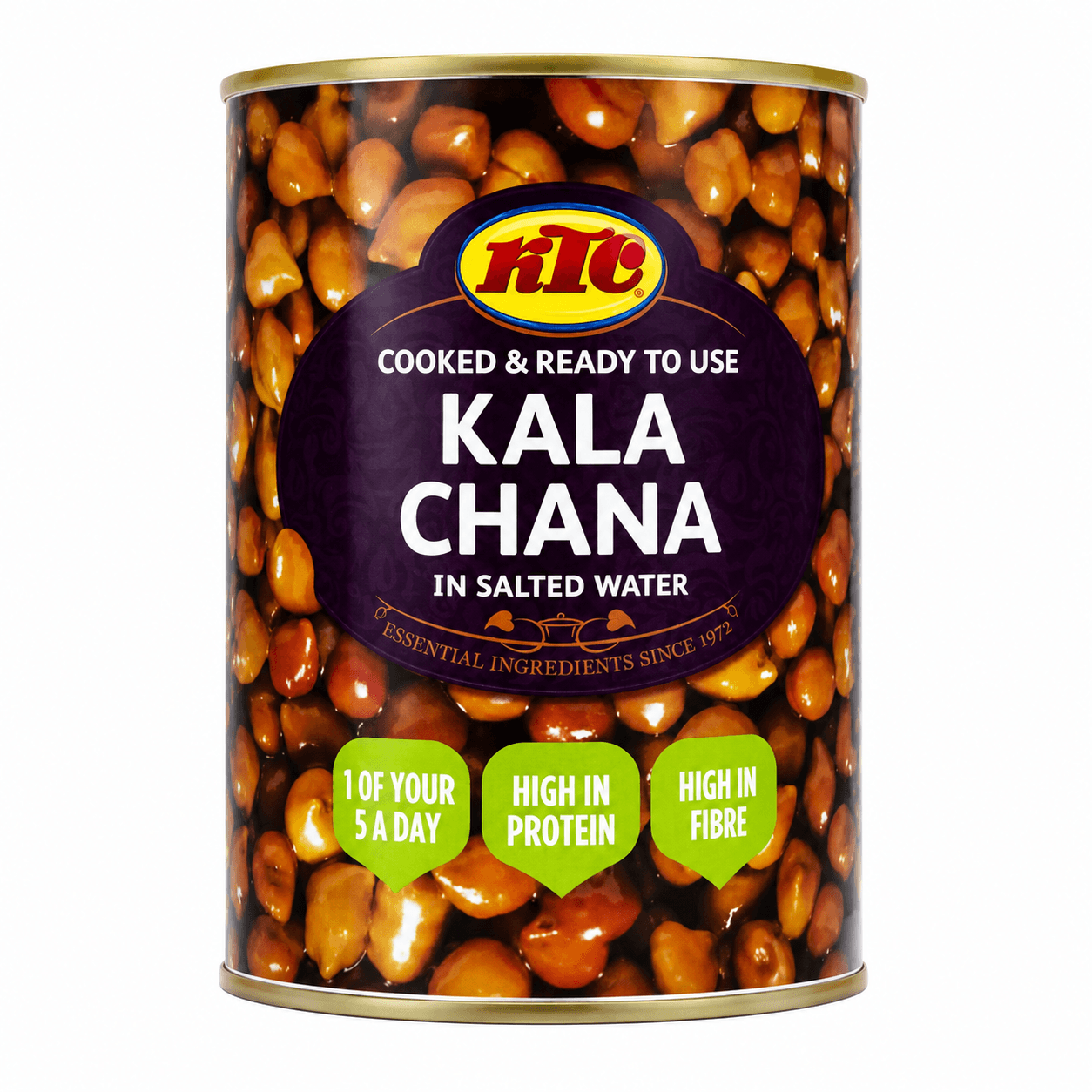 KTC Kala Chana in Salted Water€1.69In stock
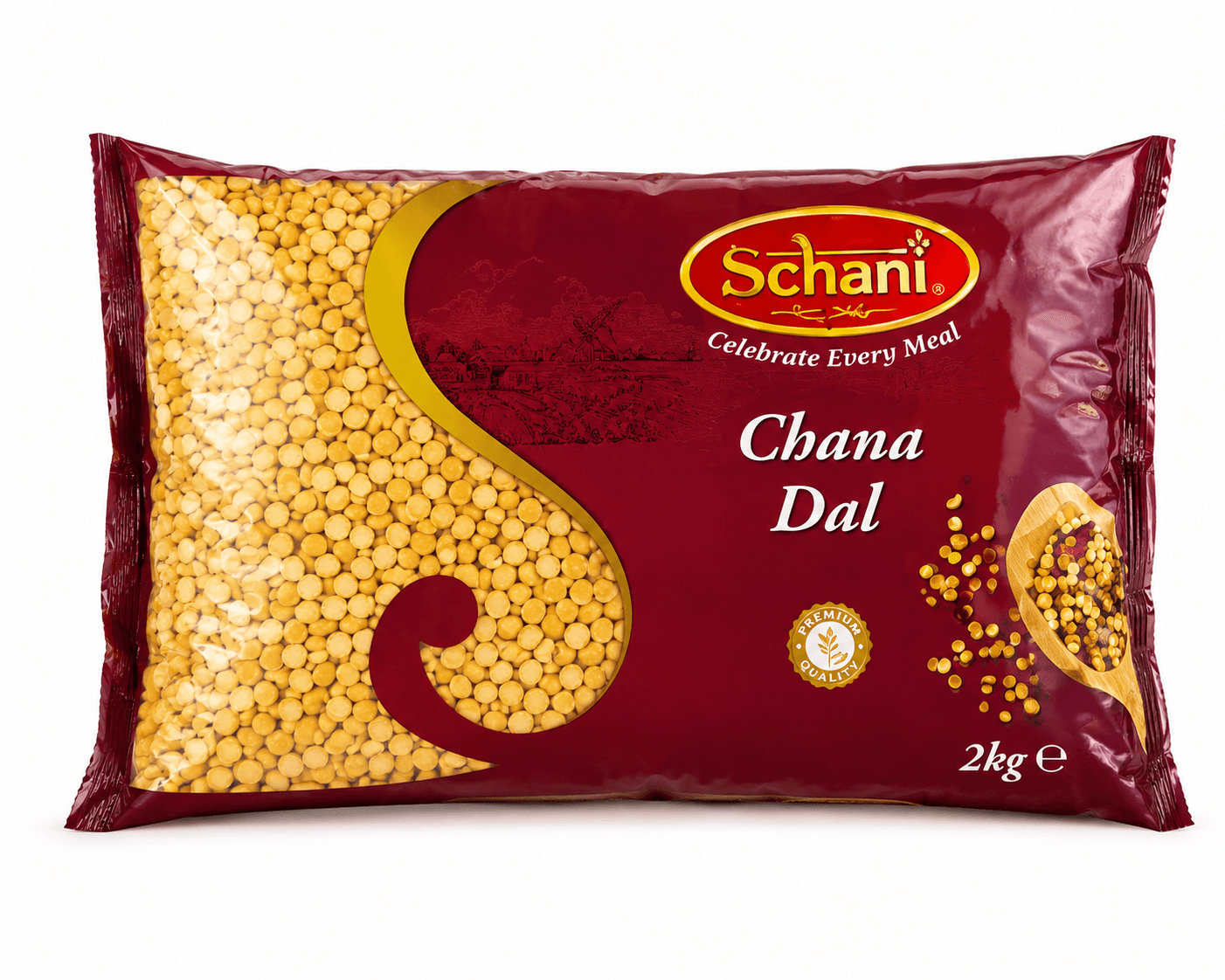 SCHANI CHANA DAL 2KG€4.65In stock
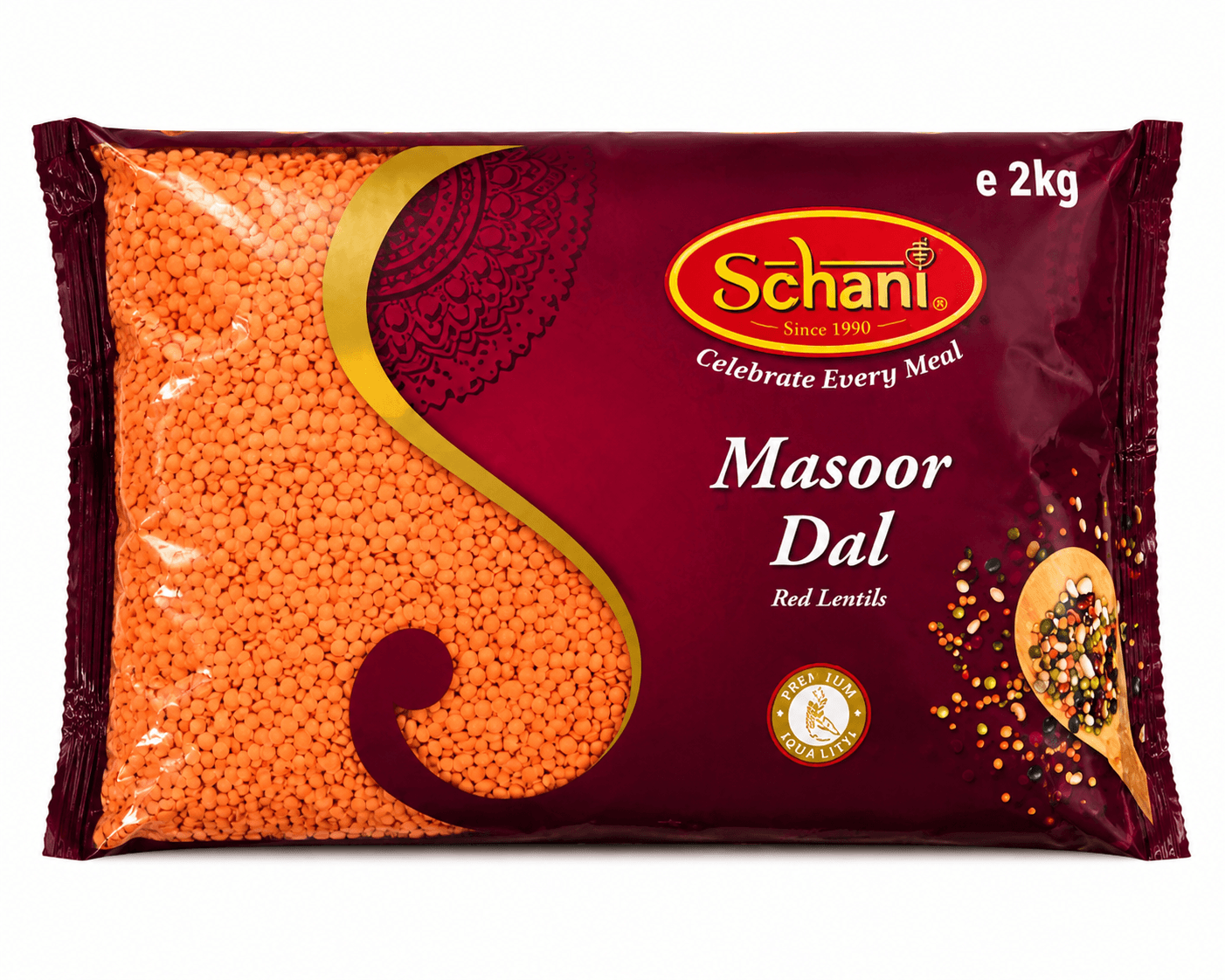 SCHANI MASOOR DAL ( RED LENTILS) 2KG€4.49In stock
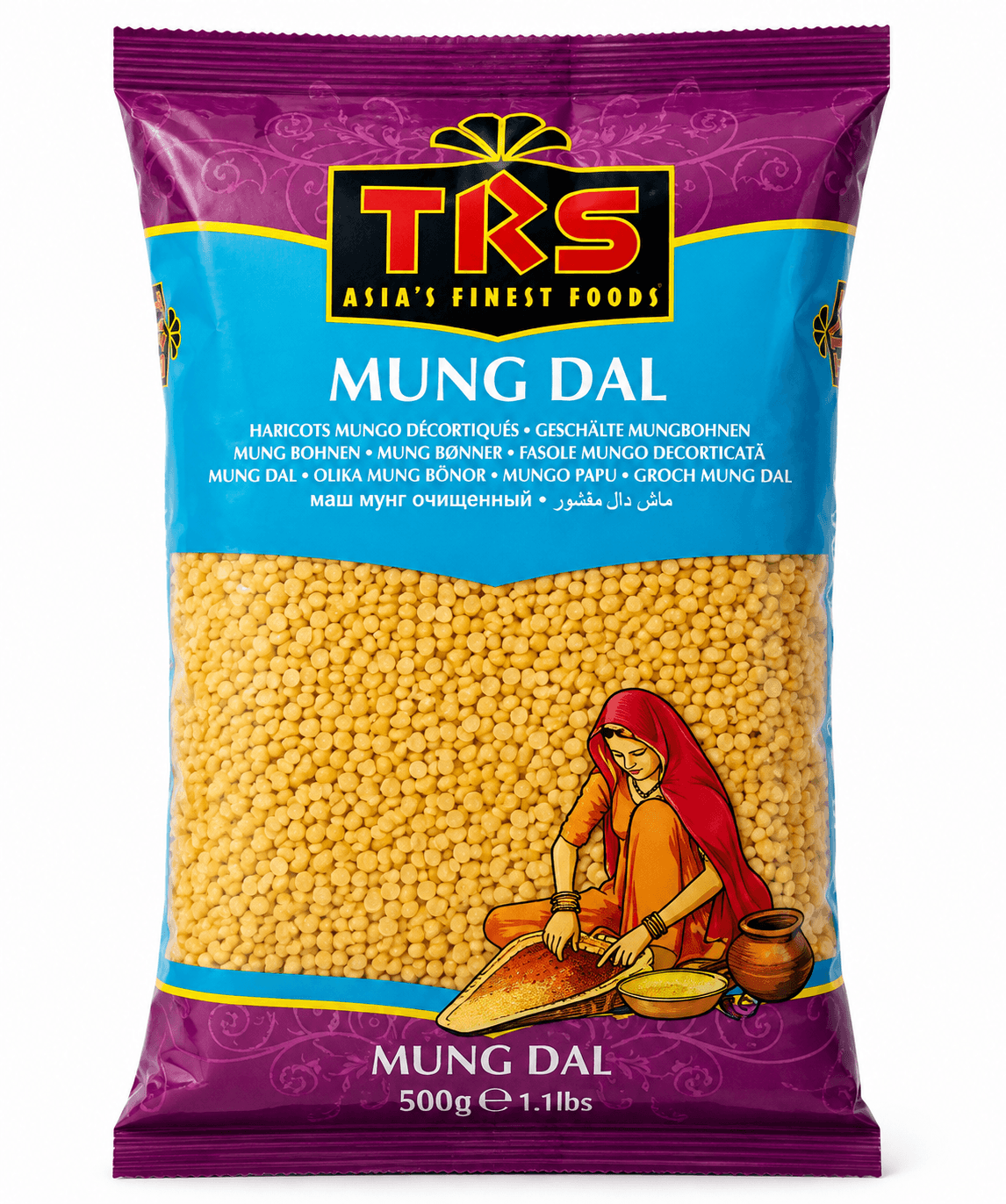 TRS - Moong/ Mung Dal 1Kg€4.99In stock
Frequently asked questions
- Are ragi and jowar gluten-free?
- Yes, ragi (finger millet) and jowar (sorghum) are naturally gluten-free. With a gluten allergy, watch for possible cross-contamination; check the pack. See ragi and jowar.
- How much pulses per person?
- Allow 50 to 75 g of dry pulses per person for a meal.
- Do beans cause bloating?
- For some people, especially if they are not used to much fibre. Soaking well, discarding the soaking water and building up slowly helps. Split dal is easier to digest than whole beans.